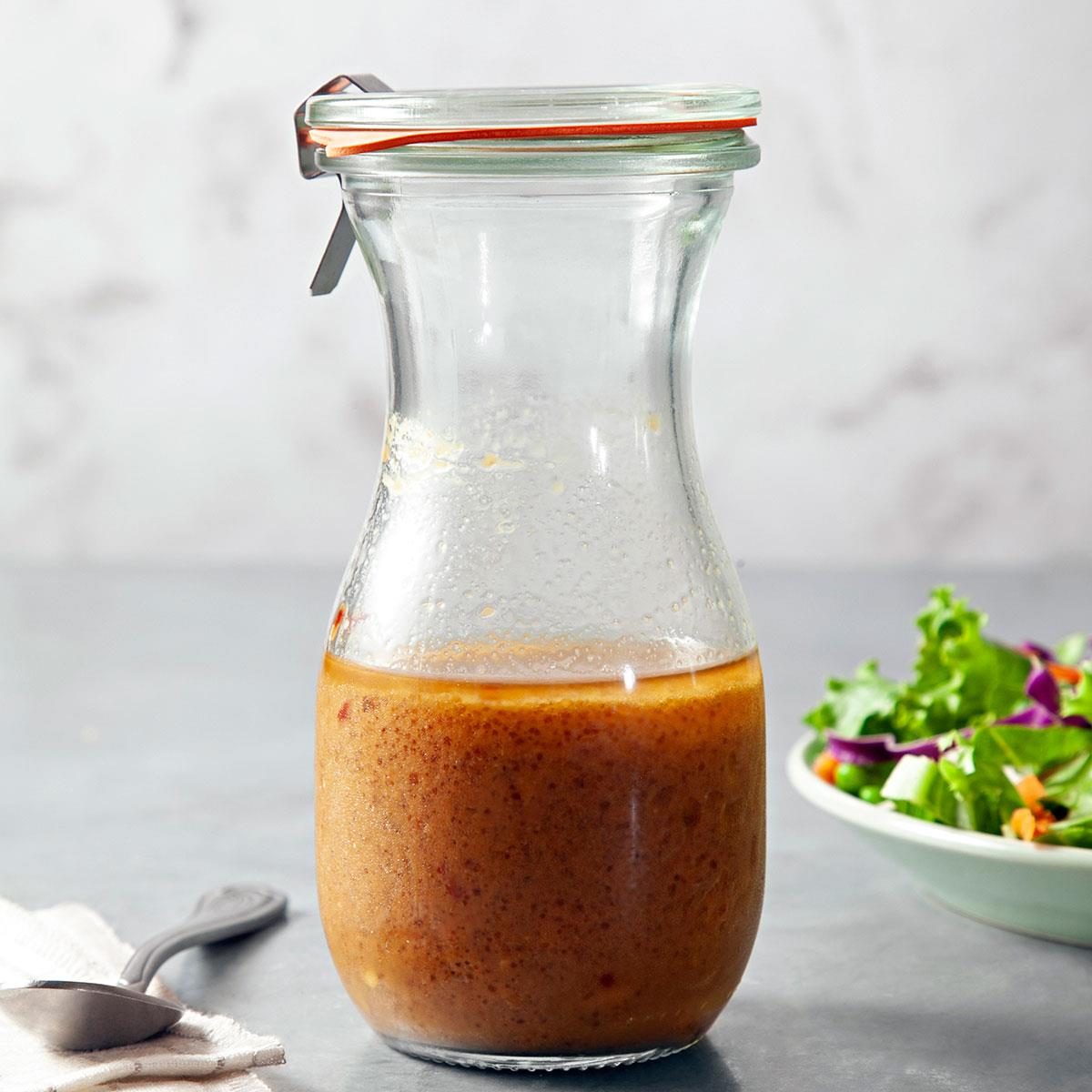
Are you tired of bland salads and store-bought dressings laden with unpronounceable ingredients? Imagine a vibrant, flavorful dressing that takes mere minutes to create, transforming your everyday meals into an exciting culinary experience. This isn't just wishful thinking; it's the reality of crafting your very own homemade Asian salad dressing. Simple, delicious, and incredibly versatile, this dressing is about to become your new kitchen MVP, offering a fresh taste that store-bought versions simply can't match.
Why Homemade Asian Salad Dressing is a Kitchen Essential
In a world overflowing with convenience, why bother making your own dressing? The answer lies in unparalleled freshness, customizable flavor, and complete control over what goes into your food. Store-bought dressings often contain high levels of sodium, artificial preservatives, and sugars. When you whip up an Asian salad dressing at home, you dictate every ingredient, allowing you to tailor it perfectly to your dietary needs and taste preferences. Watching your salt intake? Opt for reduced-sodium soy sauce or even coconut aminos. Need a gluten-free option? Tamari is your best friend. This ability to personalize means everyone can enjoy the rich, zesty flavors, bringing smiles to faces that might otherwise miss out.
Beyond health benefits, the depth of flavor in a homemade dressing is simply superior. The balance of tangy, savory, sweet, and spicy notes dances on your palate in a way that pre-made bottles rarely achieve. It’s a dressing that not only elevates a simple green salad but also transforms crunchy Asian slaws, adds zing to cold noodle dishes, and brings grilled chicken or even a pasta salad to life. Its incredible versatility extends far beyond salads too; it doubles as an excellent marinade, a vibrant stir-fry sauce, or a quick dipping sauce for spring rolls or dumplings, truly making it a kitchen essential.
The Core Ingredients: Your Pantry Powerhouses
The beauty of this homemade Asian salad dressing recipe lies in its simplicity and the likelihood that you already have most of the essential ingredients on hand. Forget obscure specialty items; we're talking about pantry staples that pack a punch. Understanding what each core component brings to the table helps you appreciate the harmonious blend of flavors.
- Soy Sauce: This umami-rich liquid forms the savory foundation. For those monitoring sodium, reduced-sodium varieties are readily available. If you're gluten-intolerant or avoiding soy, tamari offers a fantastic, almost identical flavor profile, while coconut aminos provide a milder, soy-free alternative that’s equally delicious.
- Rice Vinegar: Offering a delicate yet distinct tang, rice vinegar is crucial for balancing the richness and sweetness. Its mild acidity brightens the entire dressing, preventing it from feeling heavy. Apple cider vinegar can be a decent substitute in a pinch, though it has a slightly different flavor.
- Sesame Oil: A little goes a long way with toasted sesame oil. Its distinctive, nutty aroma and flavor are quintessential to many Asian dishes, adding an incredible depth and warmth that ties all the ingredients together. Be sure to use toasted sesame oil for that characteristic rich scent.
- Sweetener: A touch of sweetness rounds out the flavors and balances the acidity. Honey or maple syrup are natural choices, offering subtle notes beyond just sweetness. For a more caramel-like undertone, brown sugar or even a pinch of granulated sugar can be used.
- Fresh Aromatics: These are the secret weapon for a truly vibrant dressing. Fresh ginger, grated or minced, delivers a bright, peppery zing, while fresh garlic adds an indispensable savory depth. While ground versions can work, fresh aromatics truly elevate the taste to another level.
- Olive Oil or Neutral Oil: While not always listed as a core "flavor" ingredient, a good quality olive oil, or a neutral oil like canola or grapeseed oil, provides the necessary body and mouthfeel, helping to emulsify the dressing and carry the flavors. Olive oil adds a subtle fruity note, whereas neutral oils let the other ingredients shine without competition.
These ingredients form the perfect starting point for your culinary adventure. From here, the possibilities for customization are endless!
Elevate Your Dressing: Creative Twists and Optional Additions
Once you’ve mastered the basic Asian salad dressing, it's time to unleash your inner chef and experiment with optional ingredients that can transform its character. This is where your dressing truly becomes a personalized "flavor adventure," adapting to your mood and the meal you're preparing.
- For a Citrus Burst: A squeeze of fresh lime juice introduces a bright, zesty note that pairs wonderfully with the ginger and vinegar, adding an extra layer of freshness. Lemon juice can also work but has a slightly different profile.
- For a Kick of Heat: If you like things spicy, a pinch of red pepper flakes will add a subtle warmth. For more intense heat, a dash of sriracha or a finely minced fresh chili can create a fiery sensation.
- For Irresistible Creaminess: To achieve a richer, more luxurious texture, consider whisking in a spoonful of Kewpie mayonnaise. This Japanese mayonnaise is renowned for its umami-rich, slightly sweeter profile, creating a velvety dressing. Alternatively, a tablespoon of smooth peanut butter or tahini offers a nuttier, thicker creaminess, perfect for heartier salads or as a dipping sauce. A splash of mirin (sweet rice wine) can also contribute to a subtly rich, glossy finish.
- For Added Texture: Don't underestimate the power of a garnish! A sprinkle of toasted sesame seeds not only adds a beautiful visual appeal but also provides a delightful crunch and an extra layer of nutty flavor that complements the sesame oil beautifully.
- Beyond the Basics: Think about what you love! A tiny drop of toasted chili oil for smoky heat, a pinch of nutritional yeast for an extra savory punch, or even a very finely minced shallot for a delicate oniony flavor. The key is to taste as you go, adjusting quantities until you hit your perfect balance.
These additions aren't just about changing the taste; they're about creating a dressing that truly complements your dish, whether it’s a light summer salad or a robust grain bowl. Don't be afraid to experiment – that's where the magic happens!
Crafting Your Dressing: A Simple Step-by-Step Guide
Creating your homemade Asian salad dressing is less of a complex recipe and more of a delightful assembly process. It’s so quick and easy, you’ll wonder why you ever bought a bottle!
Step 1: Gather Your Arsenal. First things first, lay out all your chosen ingredients. This includes your core components like soy sauce, rice vinegar, sesame oil, sweetener, fresh ginger, and garlic, along with any optional extras you plan to incorporate. Having everything at arm's length streamlines the process, ensuring nothing is forgotten and making the experience truly enjoyable.
Step 2: Choose Your Vessel. You have a couple of excellent options here. A simple mixing bowl and whisk work perfectly, allowing you to see the transformation unfold. Alternatively, a Mason jar with a tight-fitting lid is incredibly convenient. The jar not only simplifies mixing (just shake!) but also serves as an ideal storage container, minimizing cleanup.
Step 3: Combine and Conquer. Measure out all your liquid ingredients first – the olive oil (or neutral oil), soy sauce, rice vinegar, sesame oil, and honey (or maple syrup). Pour them into your chosen bowl or jar. Next, add your fresh aromatics: the grated ginger and minced garlic. If you’re using dry spices like red pepper flakes, add them now too.
Step 4: Whisk or Shake Until Perfect. This is where the magic truly happens! If using a bowl, grab your whisk and vigorously combine all the ingredients. Aim for a smooth, emulsified mixture where all the distinct liquids have merged into a cohesive, often slightly golden, uniform dressing. If you're using a Mason jar, seal it tightly and shake it like a maraca! This is not just fun but highly effective, ensuring everything is thoroughly blended. Continue whisking or shaking until no individual ingredient appears separate and the dressing looks shiny and evenly textured.
Step 5: Taste and Adjust. This is arguably the most important step. Dip a spoon into your freshly made dressing and taste it. Does it need more tang? Add a little more rice vinegar or a squeeze of lime. Is it too salty? A touch more sweetener or neutral oil can balance it. Craving more heat? A tiny sprinkle of red pepper flakes will do the trick. Adjust until the flavor profile sings to your taste buds. This quick adjustment ensures your dressing is perfectly tailored to you.
Once blended to perfection, your homemade Asian salad dressing is ready to elevate your meals. It comes together in just about 5 minutes, making it an incredibly easy way to add bold, fresh flavor without the fuss.
Embracing homemade Asian salad dressing is more than just making a condiment; it’s an invitation to elevate your everyday meals with vibrant, customizable flavors. From its simple, accessible ingredients to the effortless preparation, this dressing offers a refreshing departure from store-bought alternatives, putting you in control of what you consume. Whether you drizzle it over a crisp green salad, use it as a dynamic marinade, or find new ways to incorporate its delightful zest into your cooking, this homemade wonder is sure to bring your meals to life. So, whisk up a batch today and embark on your own delicious culinary adventure!
