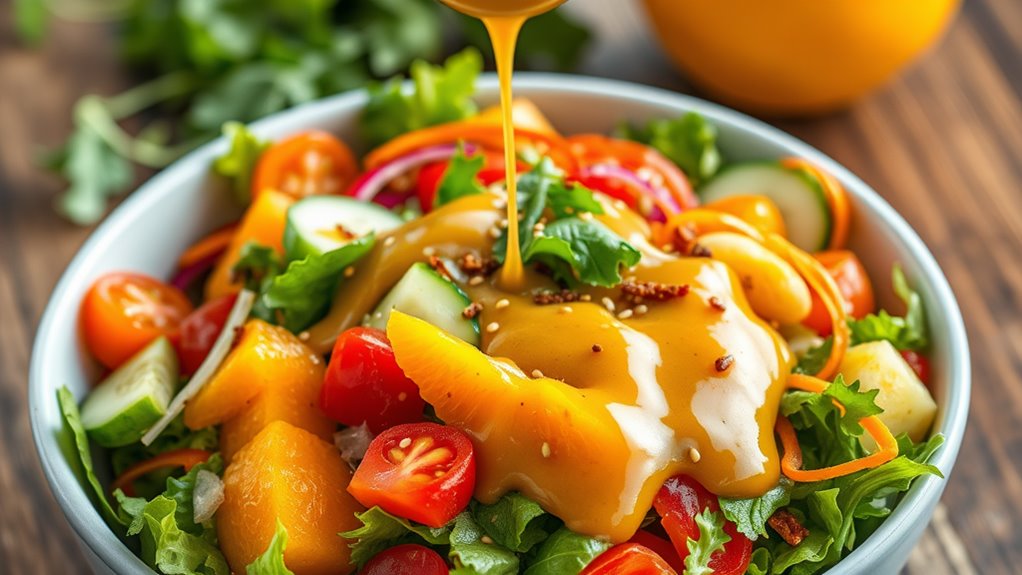
Unlock a World of Flavor: Beyond the Basic Asian Salad Dressing
Are you tired of the same old vinaigrettes and creamy dressings? Do your meals need a vibrant burst of flavor that transports your taste buds to distant lands? Look no further than the humble yet incredibly versatile asian salad dressing. While its name suggests a singular purpose, this culinary marvel is a true kitchen MVP, capable of transforming everything from simple salads to sophisticated marinades, and so much more. Forget bland meals; with a homemade Asian dressing, you're embarking on a delightful flavor adventure that's surprisingly simple to create.
What makes this dressing so extraordinary? It's the perfect harmony of sweet, savory, tangy, and often spicy notes, crafted from a handful of staple ingredients you likely already have. And the best part? It's infinitely customizable, allowing you to tailor it to your exact preferences or dietary needs. Once you experience the magic of a fresh, homemade Asian dressing, you’ll wonder how you ever managed without it.
The Core Ingredients: Building Your Perfect Asian Salad Dressing
The beauty of a classic asian salad dressing lies in its elegant simplicity and the synergistic power of its core components. Each ingredient plays a vital role, contributing to a balanced flavor profile that is both invigorating and deeply satisfying. Let's break down the essentials:
- Soy Sauce: The Umami Foundation
This fermented soybean condiment brings a rich, savory depth that is quintessential to Asian cuisine. For those mindful of sodium intake, reduced-sodium varieties are readily available. If you're looking for a gluten-free option, tamari is an excellent substitute, offering a similar flavor profile without the wheat. Alternatively, coconut aminos provide a milder, slightly sweeter, and soy-free alternative that works wonderfully. - Rice Vinegar: The Tangy Brightener
Known for its mild acidity, rice vinegar adds a crisp, tangy counterpoint that cuts through richness and brightens all the other flavors. It's less aggressive than some other vinegars, making it perfect for dressings. If you find yourself without rice vinegar, apple cider vinegar can be a decent stand-in, though it will impart a slightly different fruity note. - Sesame Oil: The Aromatic Star
A drizzle of toasted sesame oil is non-negotiable for that unmistakable nutty aroma and flavor. A little goes a long way, so use it sparingly to avoid overpowering the other ingredients. Its distinctive fragrance is what truly defines many Homemade Asian Salad Dressing: Simple & Delicious in Minutes recipes. - Honey or Maple Syrup: The Natural Sweetener
To balance the savory and tangy notes, a touch of sweetness is crucial. Honey or maple syrup are fantastic natural choices, adding a subtle complexity. For a richer, more caramel-like sweetness, you could opt for brown sugar, or even a pinch of granulated sugar. - Fresh Ginger: The Zesty Kick
Freshly grated ginger adds a vibrant, zesty, and slightly peppery punch that awakens the palate. While ground ginger can be used in a pinch, fresh ginger provides a superior depth and brightness. - Garlic: The Universal Enhancer
As the saying goes, everything is better with garlic! Minced fresh garlic contributes an aromatic pungency that deepens the overall flavor, making the dressing more robust and irresistible.
These foundational ingredients alone create a fantastic asian salad dressing. But the real fun begins when you start to experiment with optional additions, allowing you to Craft Your Own Asian Dressing: Key Ingredients & Custom Flavor Twists and truly make it your own.
Elevating Your Dressing: Advanced Flavor Boosters & Customizations
Once you've mastered the basic blend, the world of customization opens up, allowing you to transform your asian salad dressing into an endless array of flavor experiences. These optional additions can take your dressing from simply delicious to truly extraordinary:
- For Creaminess and Richness:
- Kewpie Mayo: A secret weapon for many chefs, a spoonful of Japanese Kewpie mayonnaise adds an unparalleled creamy richness and a subtle umami boost. It’s a game-changer for a lusher texture.
- Peanut Butter or Tahini: For a nutty, more substantial creamy dressing, a dollop of smooth peanut butter or tahini (sesame paste) can add a wonderful mouthfeel and an entirely new dimension of flavor, perfect for noodle bowls or heartier salads.
- For a Citrusy Twist:
- Lime Juice: A squeeze of fresh lime juice can introduce a bright, zesty acidity that complements the other flavors beautifully, offering a refreshing counterpoint to the savory elements.
- For a Touch of Heat:
- Red Pepper Flakes: A simple sprinkle of red pepper flakes adds a gentle warmth and visual appeal.
- Sriracha or Chili Garlic Sauce: For a more pronounced spicy kick, a dash of Sriracha or chili garlic sauce can be stirred in, allowing you to adjust the heat level to your personal preference.
- For Extra Umami and Depth:
- Mirin: This sweet Japanese rice wine adds a delicate sweetness and a subtle alcoholic complexity, enhancing the overall umami.
- Fish Sauce: Used sparingly, a tiny dash of fish sauce can deepen the savory profile without making the dressing taste overtly fishy. It’s a trick used in many Southeast Asian kitchens.
- For Texture and Crunch:
- Toasted Sesame Seeds: A sprinkle of toasted sesame seeds adds a lovely textural element and an extra layer of nutty flavor, making the dressing more engaging to eat.
- Alternative Oils:
- While olive oil can be used, lighter, neutral oils like canola or grapeseed oil often allow the other flavors of the Asian dressing to shine through more clearly.
Experimenting with these additions is where you truly discover the boundless potential of your homemade asian salad dressing. Each tweak opens up new avenues for flavor, ensuring your meals are anything but routine.
Beyond the Salad Bowl: Unleashing the Versatility of Your Asian Dressing
The greatest superpower of a well-crafted asian salad dressing is its incredible versatility. While it shines brightly on a bed of greens, its balanced flavor profile makes it a star in countless other culinary applications. This isn't just a dressing; it's a marinade, a dipping sauce, and a flavor enhancer that can elevate almost any dish:
- Dynamic Marinade: This dressing makes an exceptional marinade for proteins. The acid from the rice vinegar tenderizes meats like chicken, pork, or beef, while the soy sauce, ginger, and garlic infuse them with robust, savory flavors. It’s also fantastic for marinating tofu or tempeh, creating flavorful plant-based dishes. Imagine grilled chicken skewers or pan-seared salmon infused with these vibrant notes!
- Sensational Dipping Sauce: Serve it alongside spring rolls, potstickers, dumplings, or even simple veggie sticks for a quick and flavorful dip. Its complex profile means you don't need a separate sauce for every appetizer.
- Effortless Stir-Fry Sauce: Whisk it into your next stir-fry towards the end of cooking for a quick and easy sauce that coats vegetables and proteins beautifully. It eliminates the need for multiple bottles and endless measuring, streamlining your weeknight meals.
- Noodle Nirvana: Drizzle it over cold soba noodles with shredded vegetables and grilled chicken for a refreshing lunch, or toss it with warm ramen noodles for a comforting yet light dinner. It brings instant life to any noodle dish, hot or cold.
- Roasted Vegetable Revitalizer: Before roasting, toss your favorite vegetables – broccoli, asparagus, bell peppers, or root vegetables – with a generous amount of the dressing. The flavors caramelize beautifully, yielding incredibly delicious and tender results. You can also drizzle it over roasted vegetables right before serving for a fresh finish.
- Pasta Salad with a Twist: Move beyond the traditional. An Asian-inspired dressing can transform a simple pasta salad into an exciting side dish. Combine cooked pasta with crisp vegetables, edamame, and a protein of your choice (chicken, shrimp, or tofu), then toss with your homemade dressing for a unique take on a classic.
- Grain Bowl Enhancer: Turn a simple grain bowl (quinoa, rice, farro) into a gourmet experience by drizzling it with your flavorful dressing. Add some roasted veggies, a protein, and an avocado for a complete and satisfying meal.
The possibilities are truly endless. A batch of homemade asian salad dressing in your fridge is a secret weapon that ensures you’re always ready to add an exciting twist to your culinary creations.
Crafting Your Perfect Blend: Tips for Preparation and Storage
Making your own asian salad dressing at home is not just rewarding; it’s incredibly simple and significantly more flavorful than anything you’ll buy pre-made. You'll also have full control over the ingredients, making it easy to accommodate dietary needs like gluten-free or reduced-sodium options. This is a recipe ready in just minutes, and it keeps clean-up minimal, as everything often comes together in one measuring cup or jar.
The Process is Simple:
- Gather Your Ingredients: Lay out all your chosen components. Using fresh ingredients, especially ginger and garlic, will always yield the most vibrant flavor.
- Combine and Whisk: Whether you prefer a mixing bowl and a whisk or a mason jar with a lid, the method is straightforward. Add all liquid ingredients first, followed by the aromatics and any dry spices.
- Emulsify: If your recipe includes a neutral oil (like canola or grapeseed), sometimes adding it gradually while whisking vigorously (or shaking the jar) helps create a smoother, more cohesive emulsion, preventing the dressing from separating too quickly. Continue whisking or shaking until all ingredients are beautifully blended into a lovely, golden, and uniform liquid.
- Taste and Adjust: This is perhaps the most crucial step! Taste a small amount of your freshly made dressing. Does it need more tang? A bit more sweetness? A pinch more salt? This is your chance to personalize it to perfection. Remember, you can always add more, but you can’t take it out.
Storage:
Once prepared, your homemade asian salad dressing should be stored in an airtight container, such as a mason jar, in the refrigerator. It will typically last for about 1-2 weeks. Give it a good shake or whisk before each use, as some separation is natural due to the oil and vinegar components.
Making your own dressing isn't just about saving money; it's about investing in flavor and taking control of what you eat. Plus, the process itself can be quite therapeutic!
Conclusion
Stepping beyond the conventional use of asian salad dressing opens up a world of culinary possibilities. From its humble origins as a simple way to enliven greens, it transforms into a versatile marinade, a delectable dipping sauce, and an essential flavor booster for a myriad of dishes. Its balanced blend of savory, sweet, and tangy notes, coupled with the aromatic pungency of ginger and garlic, makes it an indispensable tool in any kitchen. By understanding its core components and embracing the endless opportunities for customization, you gain the power to elevate everyday meals into exciting culinary experiences. So, whisk up a batch, get creative, and let your taste buds embark on a delicious journey!
